
Globally, the COVID-19 pandemic has had a disproportionate impact on women and girls and has put them at a disadvantage. The situation in India is quite similar with increased cases of domestic violence, more girls dropping out of schools, early marriage and less access to healthcare services.
Innovators In Health runs an active case finding TB program in Samastipur district of Bihar. During community interactions, it was observed, that while all patients faced difficulty in accessing timely treatment and care, female patients bore an additional burden because of gender norms and their relative position in the society. To understand these challenges, we spoke to 40 female patients across 8 blocks in Samastipur who were diagnosed during March-September 2020. A majority of them have shared how access to diagnosis, medicines, nutrition and quality care has been an enormous challenge for them during the pandemic.
Challenges faced by female patients
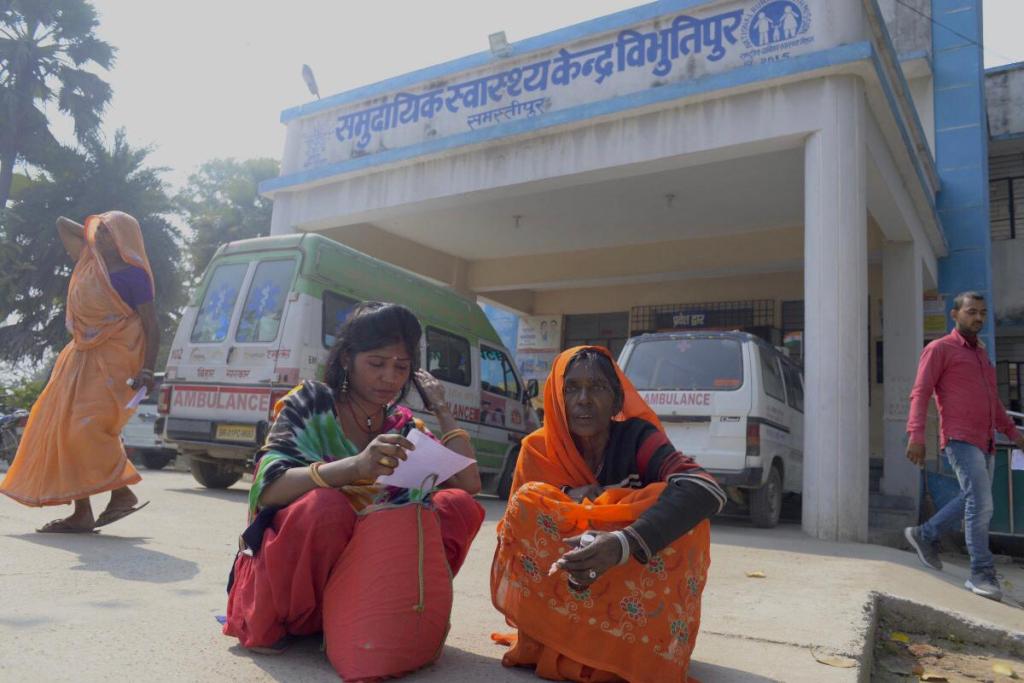
Hesitance in accessing care
Some female patients reported they were hesitant in informing their family about their ill health during the lock-down because accessing healthcare services would mean additional expense, which would be a burden on their family. 24-year-old Rekha* was skeptical to tell her husband about her ill health when she first developed symptoms of TB in June 2020. Her husband, a migrant worker, had returned from Delhi the previous month. He had lost his job, and Rekha did not want to trouble him further. Her symptoms aggravated, and it was not until September when her condition was quite serious that she consulted a doctor. They diagnosed her with pulmonary TB and Rekha is currently undergoing treatment.
Insufficient nutrition
A major challenge for women was adequate nutrition during their treatment. As people lost their jobs, families had to reduced their expenditure, including that on food. When there is a dearth of food at home, it’s the women who eat less to ensure the others get enough nutrition. Something similar happened with Sudha Devi*, whose husband and son both lost their jobs because of the pandemic. Sudha had started her treatment in March 2020 when the lock-down began. Sudha was anemic and weighed only 40kgs. With more mouths to feed and no income, the family naturally cut costs. For four months, they survived on rice, roti, dal and potatoes. Sudha ate twice a day, or sometimes even once, and her meals comprised roti and boiled potatoes.
Increased burden of domestic work
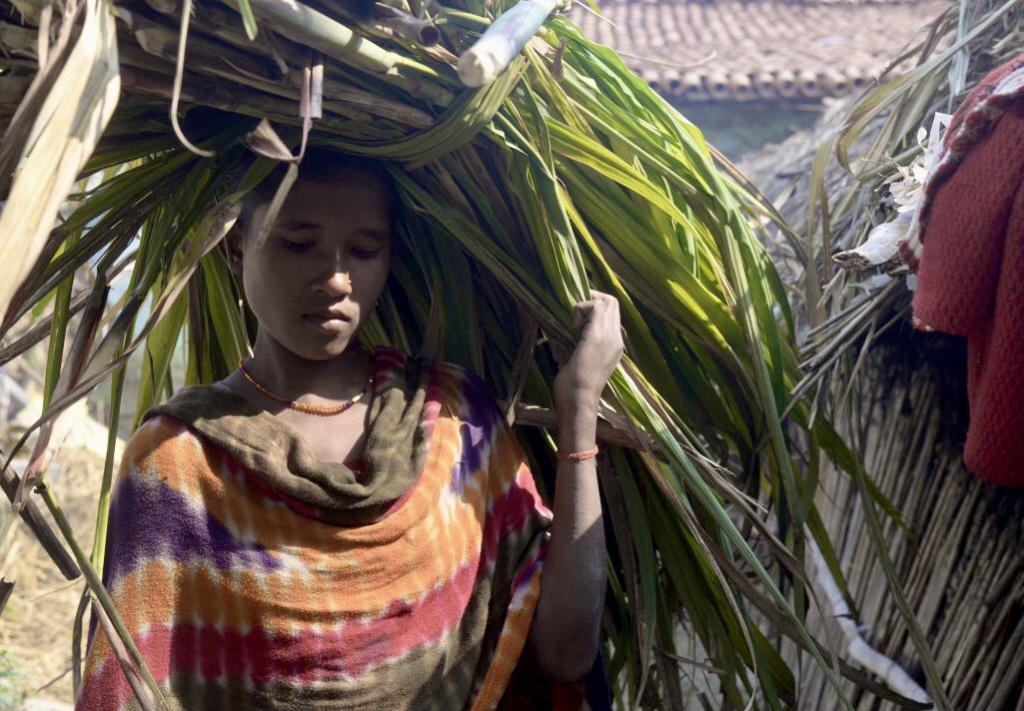
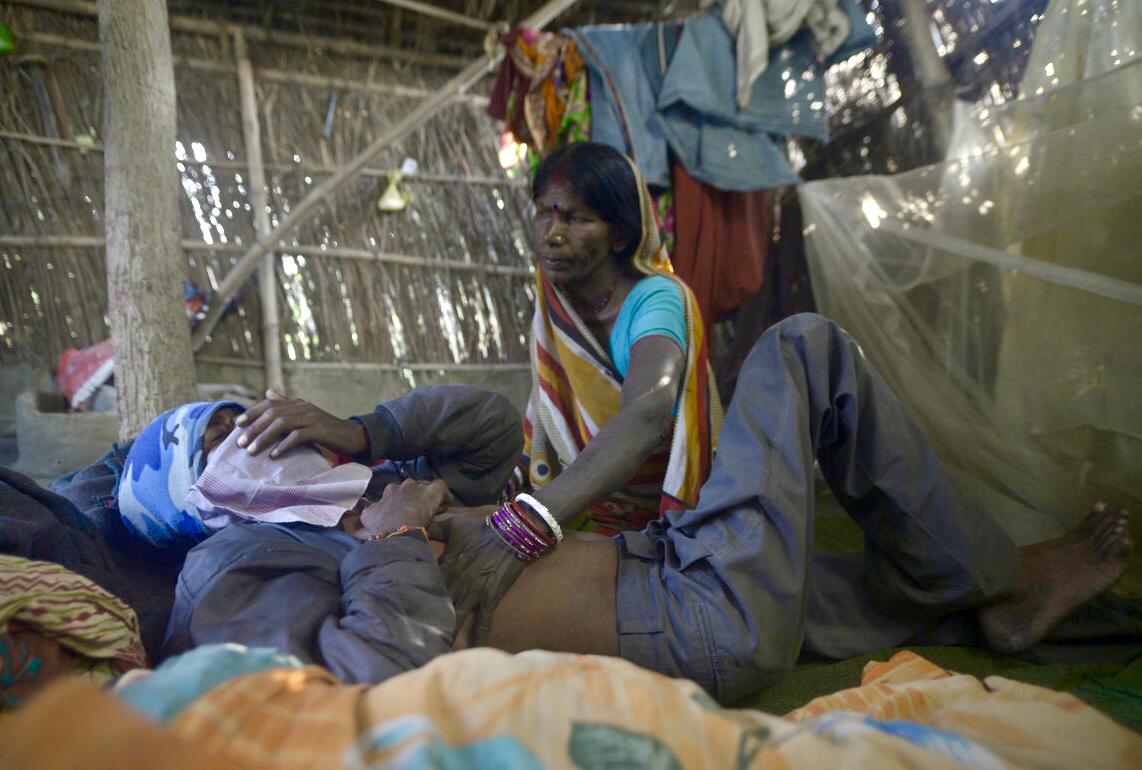
As huge number of migrant workers returned to their home states during the lock-down, the burden of work at home increased significantly for the women. The lock-down might have affected the paid jobs, but for women who are mostly engaged in the unpaid care work at home, there was no respite. Sushila Devi* was diagnosed with TB in May 2020. Although the ASHA in her ward advised her to rest properly, she could not afford to do that. When we spoke to her, she had tears in her eyes while sharing her ordeal, “There are ten members in my family. My husband, father-in-law and brother-in-law returned from Bombay in March. As schools and anganwadi’s were closed, all four children stay at home all the time. This means I have no time to rest. I wake up at 4am, cook food, clean the house, wash clothes, clean and feed the cattle and by the time I get to sleep at night it’s almost 10pm. My mother-in-law is unwell, so she cannot help me with the household chores. At times I feel I might faint due to running around the whole day. But what else can I do?”
Stigma faced by women
The coronavirus scare added to the stigma faced by TB patients, whose symptoms are similar to that of COVID-19. 20-year-old Puja* started having symptoms of TB in June 2020. Initially, she had fever and cough, but within a month her situation got very serious. Luckily, the ASHA of her ward stayed few doors away and as soon as she saw Puja’s condition, she suggested her family to get her tested for TB. Puja’s father was against the idea, he feared that Puja might have COVID-19 and informing the health authorities would attract unnecessary attention from his neighbours and ruin his daughter’s prospects of marriage. He was adamant that they would treat her at home with the help of the local rural medical practitioner. It took multiple visits by the ASHA and IIH field coordinator to convince Puja’s family to get her diagnosed for TB. Eventually she was tested positive for TB and is currently on treatment.
The above cases of Rekha, Sudha, Sushila and Puja are not isolated ones. Rather, this is the norm for many other female TB patients who are battling a dangerous disease along with the burden of living in a patriarchal society. Actively involving female community health workers in TB care is crucial as women interact with them often to discuss their health issues. This will increase chances of women self-reporting their symptoms and accessing care without much delay. While designing policies and programs for TB, it is important to keep in mind these additional hidden challenges faced by women which invariably affect their health and well-being.
*Names changed to protect identity.
Featured image by: Amrit Vatsa [All photos have been clicked and published with due consent.]
Blog by: Dyuti Sen











 Innovators In Health